Rib eye, picanha or striploin: which cut is for you
Three cuts, three characters. How to pick by fat, bite and how you like it cooked.
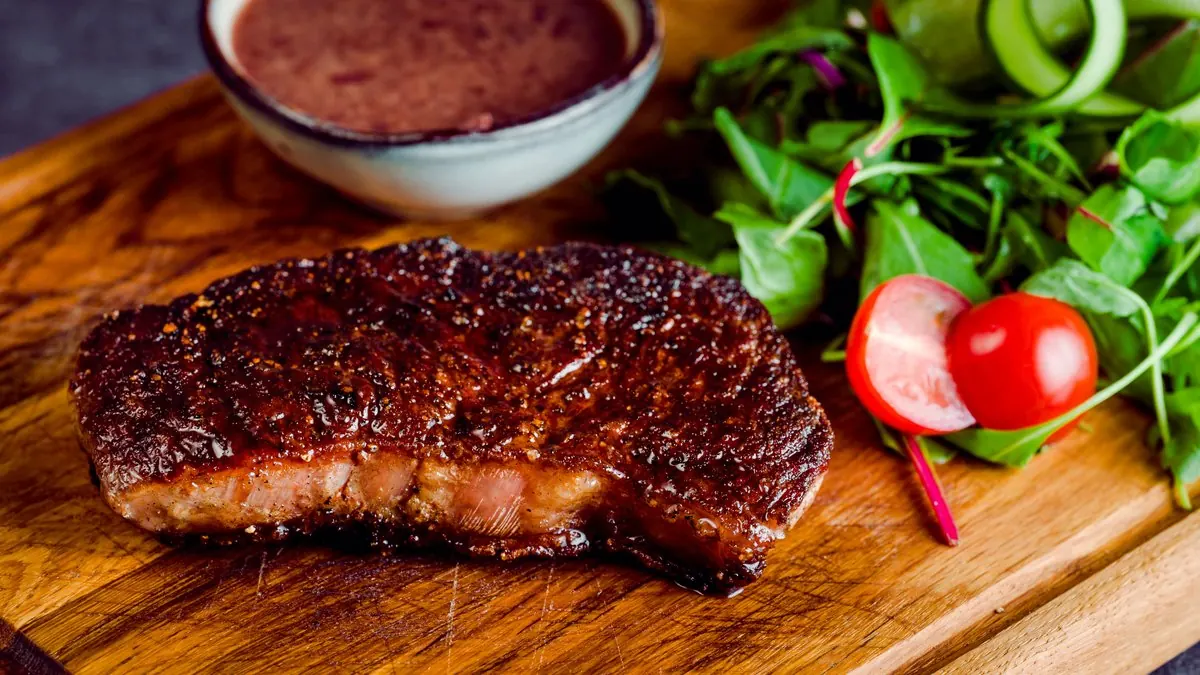
Three of the steaks on our board come out of the same chamber after the same 45 days, and they still eat completely differently. That is not seasoning or technique; it is anatomy. Each cut is a different muscle that did a different job, and the job decides the fat, the grain and the bite. Here is how to choose.
Rib eye: the rich one
The rib eye comes from the rib section, behind the shoulder, a muscle that did very little work. Its signature is marbling: fine threads of fat running through the meat, plus a larger seam of fat that separates the central eye from the outer cap. On the grill that fat melts into the meat, which is why rib eye stays juicy even a step past medium and why it tastes the richest of the three.
Pick it if you like a steak that is generous and forgiving, if you tend to order medium or beyond, or if you want the ageing flavour at full volume. The fat carries the nutty, aged notes better than lean meat does. It is also the largest and the most expensive cut on the board.
Striploin: the clean one
Striploin sits along the top of the back, behind the ribs. It has a strip of fat along one edge and much less marbling inside, so the bite is firmer and more even, and the flavour is straight, clean beef. This is the cut for people who find rib eye too rich, and the one where the dry-ageing flavour reads most clearly because there is less fat to soften it.
Order it medium rare. Past medium it starts to dry out, because there is no internal fat to bail it out. A sauce with some acidity or garlic suits it well.
Picanha: the one with the cap
Picanha is the rump cap, a triangular muscle from the top of the sirloin, prized in Brazil and less common on menus here. The meat is lean and slightly coarser in grain than the loin cuts, and it wears a thick cap of fat on one side. Cooked fat side towards the heat, that cap renders and crisps while the meat under it stays juicy. Sliced against the grain, it eats tender; sliced along it, it eats chewy, so slicing matters more here than with the other two.
Pick it if you want big beef flavour with a crisp fat edge but a leaner bite than rib eye. It is the best value of the three dry-aged cuts and shares well.
And the filet mignon
The fourth steak on the board is the odd one out: filet mignon is not dry-aged. It is the tenderloin, a muscle that barely works, so it is already the tenderest cut there is, and it is lean enough that ageing would only dry it. It is served in red wine sauce with fondant potatoes, mushrooms and pepper sauce, which is the right call: a lean cut wants a sauce. Pick it for tenderness above everything else, or if you prefer a milder beef flavour.
Side by side
| Rib eye | Striploin | Picanha | Filet | |
|---|---|---|---|---|
| Fat | Heavy marbling | Edge strip, lean inside | Thick cap, lean inside | Very lean |
| Bite | Soft, juicy | Firm, even | Firm, slice against grain | Very tender |
| Flavour | Richest | Clean beef | Bold, with crisp fat | Mild |
| Sweet spot | Medium rare to medium | Medium rare | Medium rare | Rare to medium rare |
| Dry-aged | 45 days | 45 days | 45 days | No, on purpose |
Three quick rules
- The more done you like it, the more fat you need. Well done rib eye is a steak; well done striploin is a mistake.
- If the ageing flavour is the point, go striploin or picanha, where nothing gets in its way.
- Unsure? Rib eye. It is the one nobody sends back.
Write your doneness in the order notes when you order online. If you do not, medium rare is the safe assumption for all three aged cuts.
Trīs steiki mūsu ēdienkartē iznāk no vienas un tās pašas kameras pēc tām pašām 45 dienām, un tomēr tie ēdas pilnīgi atšķirīgi. Tas nav garšvielu vai tehnikas jautājums; tā ir anatomija. Katrs gabals ir cits muskulis, kas darīja citu darbu, un darbs nosaka taukus, šķiedru un kodumu. Lūk, kā izvēlēties.
Rib eye: bagātīgais
Rib eye nāk no ribu daļas aiz pleca, no muskuļa, kas strādāja ļoti maz. Tā zīme ir marmorējums: smalki tauku pavedieni cauri gaļai plus lielāka tauku šuve, kas atdala centrālo "aci" no ārējās cepures. Uz grila šie tauki izkūst gaļā, tāpēc rib eye paliek sulīgs pat soli aiz medium un tāpēc tas garšo bagātīgāk nekā pārējie divi.
Izvēlies to, ja patīk dāsns un piedodošs steiks, ja parasti pasūti medium vai vairāk, vai ja gribi nogatavināšanas garšu pilnā skaļumā. Tauki nes riekstainās, nogatavinātās notis labāk nekā liesa gaļa. Tas ir arī lielākais un dārgākais steiks ēdienkartē.
Striploin: tīrais
Striploin atrodas gar muguras augšdaļu, aiz ribām. Tam ir tauku strēmele gar vienu malu un daudz mazāk marmorējuma iekšpusē, tāpēc kodums ir stingrāks un vienmērīgāks, bet garša ir tieša, tīra liellopa garša. Šis ir steiks tiem, kam rib eye šķiet pārāk bagātīgs, un tas, kurā nogatavināšanas garša nolasās visskaidrāk, jo ir mazāk tauku, kas to mīkstinātu.
Pasūti to medium rare. Aiz medium tas sāk izžūt, jo nav iekšēju tauku, kas to glābtu. Mērce ar nelielu skābumu vai ķiplokiem tam der labi.
Picanha: ar cepuri
Picanha ir gurna cepure, trīsstūrveida muskulis no gurna augšdaļas, ko augstu vērtē Brazīlijā un retāk redz ēdienkartēs šeit. Gaļa ir liesa un ar nedaudz rupjāku šķiedru nekā muguras gabaliem, un vienā pusē tā nes biezu tauku cepuri. Cepot ar tauku pusi pret karstumu, cepure izkūst un kļūst kraukšķīga, kamēr gaļa zem tās paliek sulīga. Griezta pret šķiedru, tā ēdas maiga; griezta gar to, tā ēdas sīksta, tāpēc griešana šeit nozīmē vairāk nekā pārējiem diviem.
Izvēlies to, ja gribi lielu liellopa garšu ar kraukšķīgu tauku malu, bet liesāku kodumu nekā rib eye. Tas ir izdevīgākais no trim nogatavinātajiem steikiem un labi dalās.
Un filet mignon
Ceturtais steiks ēdienkartē ir izņēmums: filet mignon nav nogatavināts. Tā ir fileja, muskulis, kas gandrīz nestrādā, tāpēc tas jau ir maigākais gabals, kāds vien ir, un tas ir tik liess, ka nogatavināšana to tikai izžāvētu. To pasniedz sarkanvīna mērcē ar fondant kartupeļiem, sēnēm un piparu mērci, un tas ir pareizs lēmums: liess gabals grib mērci. Izvēlies to maiguma dēļ pāri visam vai ja dod priekšroku maigākai liellopa garšai.
Blakus
| Rib eye | Striploin | Picanha | Fileja | |
|---|---|---|---|---|
| Tauki | Bagātīgs marmorējums | Strēmele malā, liess vidus | Bieza cepure, liess vidus | Ļoti liess |
| Kodums | Mīksts, sulīgs | Stingrs, vienmērīgs | Stingrs, griez pret šķiedru | Ļoti maigs |
| Garša | Bagātīgākā | Tīrs liellops | Spēcīga, ar kraukšķīgiem taukiem | Maiga |
| Labākā pakāpe | Medium rare līdz medium | Medium rare | Medium rare | Rare līdz medium rare |
| Nogatavināts | 45 dienas | 45 dienas | 45 dienas | Nē, apzināti |
Trīs ātri likumi
- Jo ceptāku gribi, jo vairāk tauku vajag. Well done rib eye ir steiks; well done striploin ir kļūda.
- Ja galvenais ir nogatavināšanas garša, ņem striploin vai picanha, kur nekas tai nestāv ceļā.
- Nezini? Rib eye. To neviens nesūta atpakaļ.
Pasūtot tiešsaistē, ieraksti cepšanas pakāpi pasūtījuma piezīmēs. Ja to nedari, medium rare ir drošais pieņēmums visiem trim nogatavinātajiem steikiem.