
Reheating steak and pizza at home
Low oven, hot pan, a splash of water. The methods that work and the microwave mistakes to avoid.
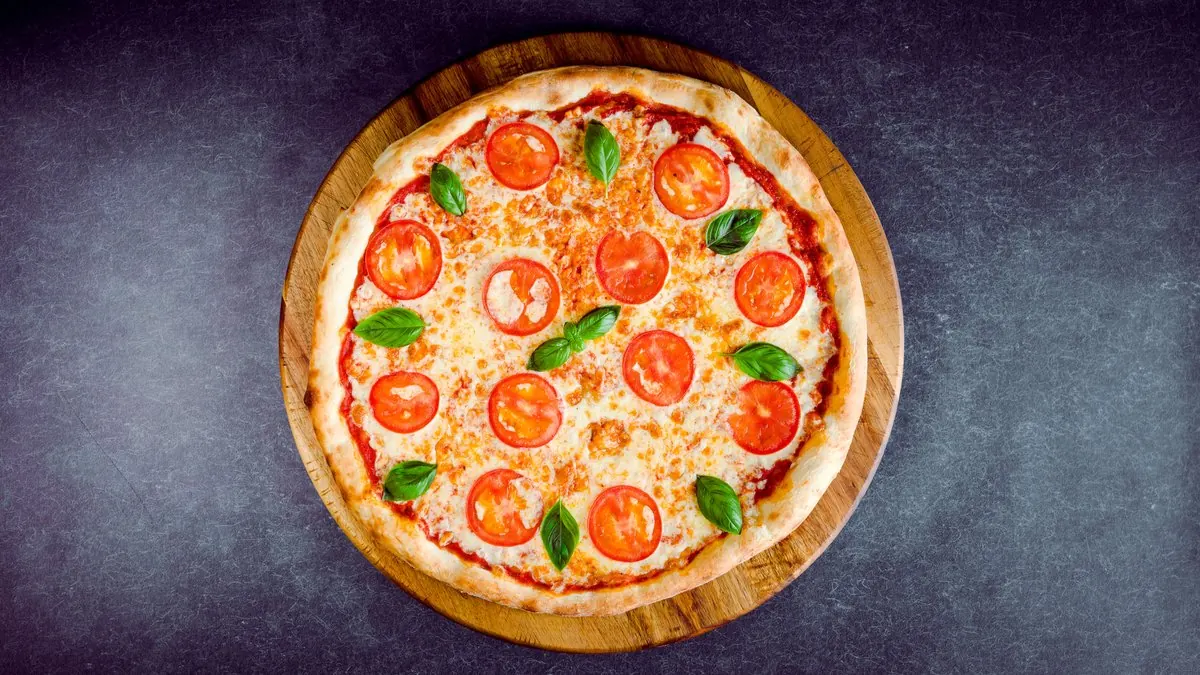
Delivery food is designed to be eaten when it arrives. But half a pizza in the fridge and the other half of a rib eye are a real situation, and there is a right way to bring both back. The principle is the same for everything: heat gently to warm the inside, then hit the outside hard and briefly to bring the crust back. The microwave does the first part badly and the second part not at all.
Steak
Take it out of the fridge 20 to 30 minutes before you start. A cold centre needs more heat to warm through, and more heat means more overcooking at the edge.
The best method: low oven, then a hot pan
- Heat the oven to 110 to 120 °C. Put the steak on a rack over a tray so air moves around it.
- Warm it until the centre is just below where you want it, roughly 15 to 25 minutes depending on thickness. A probe thermometer reading 45 to 50 °C is the target for medium rare.
- Heat a heavy pan until it is smoking, add a little neutral oil, and sear the steak 30 to 45 seconds per side. That rebuilds the crust without cooking the middle further.
- Rest two or three minutes and slice.
The fast method: slice and warm in the sauce
Slice the cold steak thinly against the grain. Warm the sauce (truffle, pepper, red wine, whatever came with it) in a small pan until it just steams, take it off the heat, and drop the slices in for a minute. The residual heat warms the meat without cooking it. This is the best use of a leftover filet mignon, which is too lean to survive a second sear.
What not to do
- Do not microwave a whole steak. The outside overcooks while the centre is still cold, and the texture turns rubbery.
- Do not reheat it straight from fridge-cold in a hot pan. You will get a grey band and a cold core.
- Do not go past medium. Dry-aged beef has less water than fresh beef and dries faster once it is overcooked.
Pizza
The best method: covered pan with a splash of water
- Put a slice into a dry non-stick or cast iron pan over medium heat. Give it two minutes so the base crisps.
- Drop a teaspoon of water into the pan next to the slice, not on it, and put a lid on straight away. The steam melts the cheese while the base stays crisp.
- One to two minutes with the lid on and it is better than most pizza that arrives fresh.
The oven, for several slices at once
Heat the oven and a baking tray together to 200 °C. Lay the slices on the hot tray and give them five to seven minutes. The hot metal matters: a cold tray steams the base soft.
The microwave, if you must
Put a cup of water in with the slice and use short bursts of 20 to 30 seconds. The water keeps the crust from turning to leather. It will still be soft, so finish it 30 seconds in a hot dry pan if you can.
Wedges, fries, potatoes
Fried and roasted potatoes come back well in a hot oven at 220 °C on a tray for eight to ten minutes, or in an air fryer at 200 °C for five. Spread them out in one layer. The microwave makes them soft and is not worth it.
Sauces and soups
Warm sauces gently in a small pan, stirring, and stop as soon as they steam. Cream and butter based sauces split if boiled. Soups can go straight into a pan and be brought to a simmer; the tomato and seafood soup is better if it is not boiled hard, so the seafood stays tender.
Cheat sheet
| Food | Method | Time |
|---|---|---|
| Whole steak | 110 °C oven on a rack, then 30 to 45 s per side in a smoking pan | 15 to 25 min + 1 min |
| Sliced steak | Warm in the sauce off the heat | 1 min |
| Pizza slice | Dry pan, teaspoon of water beside it, lid on | 3 to 4 min |
| Whole pizza | 200 °C oven, preheated tray | 5 to 7 min |
| Wedges, fries | 220 °C oven or 200 °C air fryer, one layer | 5 to 10 min |
| Sauce | Small pan, low heat, stir, do not boil | 2 to 3 min |
Cool leftovers within two hours, keep them covered in the fridge, and eat them within two days. Reheat only once.
Piegādāts ēdiens ir domāts ēšanai tad, kad tas atbrauc. Bet puse picas ledusskapī un otra puse rib eye ir reāla situācija, un abus var atgriezt dzīvē pareizi. Princips visam ir viens: silda saudzīgi, lai sasiltu vidus, tad ārpusi karsē stipri un īsi, lai atgrieztu garozu. Mikroviļņu krāsns pirmo daļu dara slikti, bet otro nedara vispār.
Steiks
Izņem to no ledusskapja 20 līdz 30 minūtes pirms sākuma. Aukstam vidum vajag vairāk karstuma, lai sasiltu cauri, un vairāk karstuma nozīmē vairāk pārcepšanas malā.
Labākā metode: zema krāsns, tad karsta panna
- Uzkarsē cepeškrāsni līdz 110 līdz 120 °C. Liec steiku uz režģa virs paplātes, lai gaiss kustas ap to.
- Silda, līdz vidus ir tieši zem vēlamā, aptuveni 15 līdz 25 minūtes atkarībā no biezuma. Termometra rādījums 45 līdz 50 °C ir mērķis medium rare.
- Uzkarsē smagu pannu, līdz tā kūp, pievieno nedaudz neitrālas eļļas un apcep steiku 30 līdz 45 sekundes no katras puses. Tas atjauno garozu, necepot vidu tālāk.
- Ļauj atpūsties divas vai trīs minūtes un griez.
Ātrā metode: sagriez un sasildi mērcē
Sagriez auksto steiku plānās šķēlēs pret šķiedru. Sasildi mērci (trifeļu, piparu, sarkanvīna, kāda nu bija līdzi) mazā pannā, līdz tā tikko sāk kūpēt, noņem no uguns un iemet šķēles uz minūti. Atlikušais karstums sasilda gaļu, to necepot. Tas ir labākais veids, kā izmantot pāri palikušu filet mignon, kas ir pārāk liess, lai izturētu otru apcepšanu.
Ko nedarīt
- Neliec veselu steiku mikroviļņos. Ārpuse pārcepas, kamēr vidus vēl ir auksts, un tekstūra kļūst gumijaina.
- Nesildi to tieši no ledusskapja karstā pannā. Dabūsi pelēku joslu un aukstu vidu.
- Neej aiz medium. Nogatavinātā gaļā ir mazāk ūdens nekā svaigā, un pārcepta tā izžūst ātrāk.
Pica
Labākā metode: panna zem vāka ar šļakatu ūdens
- Liec šķēli sausā nepiedegošā vai čuguna pannā uz vidējas uguns. Dod divas minūtes, lai pamatne kļūst kraukšķīga.
- Iepilini pannā tējkaroti ūdens blakus šķēlei, nevis uz tās, un uzreiz uzliec vāku. Tvaiks izkausē sieru, kamēr pamatne paliek kraukšķīga.
- Viena līdz divas minūtes zem vāka, un tā ir labāka nekā lielākā daļa picu, kas atbrauc svaigas.
Krāsns, ja šķēļu ir vairākas
Uzkarsē cepeškrāsni kopā ar cepamo paplāti līdz 200 °C. Liec šķēles uz karstās paplātes un dod piecas līdz septiņas minūtes. Karstais metāls ir svarīgs: auksta paplāte pamatni satvaicē mīkstu.
Mikroviļņi, ja citādi nevar
Liec līdzās šķēlei krūzi ūdens un silda īsos 20 līdz 30 sekunžu posmos. Ūdens neļauj garozai pārvērsties ādā. Tā tik un tā būs mīksta, tāpēc, ja vari, pabeidz 30 sekundes karstā sausā pannā.
Daiviņas, frī, kartupeļi
Cepti kartupeļi labi atgriežas karstā cepeškrāsnī 220 °C uz paplātes astoņas līdz desmit minūtes vai gaisa cepētājā 200 °C piecas minūtes. Izklāj tos vienā kārtā. Mikroviļņi tos padara mīkstus, un tas nav tā vērts.
Mērces un zupas
Mērces silda saudzīgi mazā pannā, maisot, un apstājas, tiklīdz tās sāk kūpēt. Krējuma un sviesta mērces vārot sadalās. Zupas var likt tieši pannā un uzvārīt līdz vieglai burbuļošanai; tomātu zupa ar jūras veltēm ir labāka, ja to nevāra strauji, lai jūras veltes paliek maigas.
Īsā lapa
| Ēdiens | Metode | Laiks |
|---|---|---|
| Vesels steiks | 110 °C krāsns uz režģa, tad 30 līdz 45 s no katras puses kūpošā pannā | 15 līdz 25 min + 1 min |
| Sagriezts steiks | Sasildīt mērcē, noņemot no uguns | 1 min |
| Picas šķēle | Sausa panna, tējkarote ūdens blakus, vāks | 3 līdz 4 min |
| Vesela pica | 200 °C krāsns, uzkarsēta paplāte | 5 līdz 7 min |
| Daiviņas, frī | 220 °C krāsns vai 200 °C gaisa cepētājs, vienā kārtā | 5 līdz 10 min |
| Mērce | Maza panna, zema uguns, maisīt, nevārīt | 2 līdz 3 min |
Atlikumus atdzesē divu stundu laikā, glabā apsegtus ledusskapī un apēd divu dienu laikā. Uzsildi tikai vienreiz.