
What dry-ageing does to beef
Water leaves, enzymes work, flavour concentrates. What happens in 45 days, in plain words, and why some cuts are never aged.
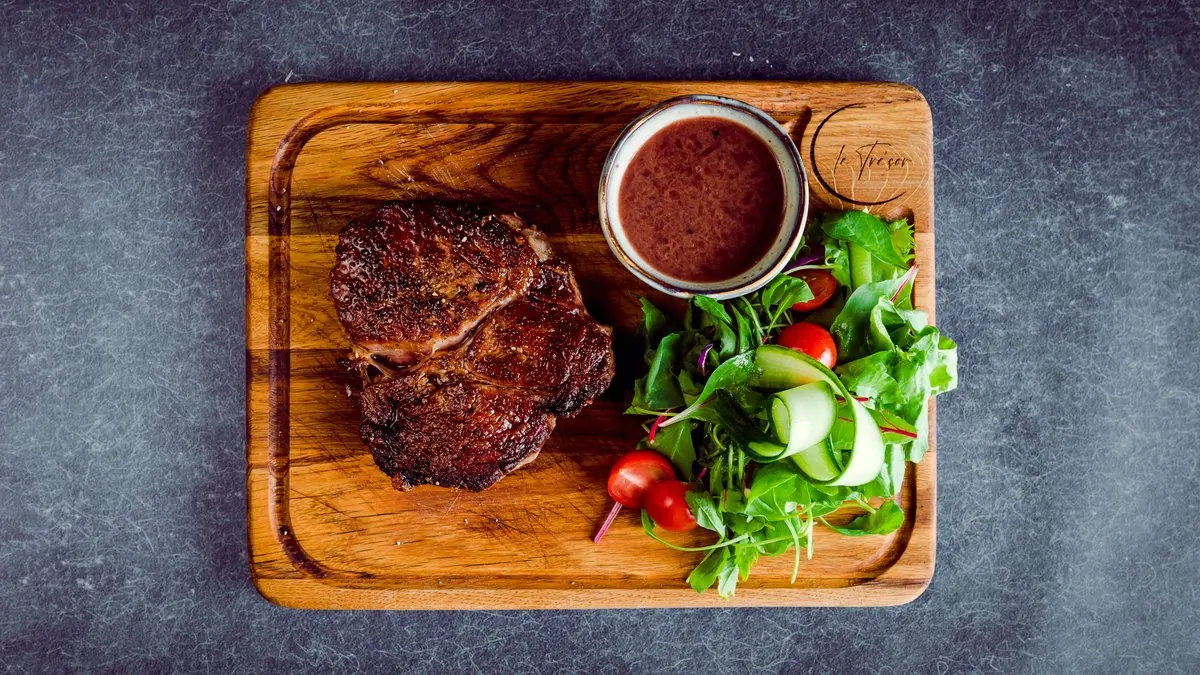
Dry-ageing is slow, deliberate spoilage held at the edge where it improves the meat instead of ruining it. A whole cut of beef sits in a cold chamber, uncovered, with dry air moving over it. Nothing is added. Three things happen at once, and each of them changes what ends up on your plate.
Water leaves
Fresh beef is roughly three quarters water. In a cold, dry chamber the surface gives up moisture every day. Over several weeks a cut loses a noticeable share of its weight to evaporation, and the outside dries into a hard, dark crust. That crust is not eaten: it is trimmed away before the steak is portioned, which is the second reason an aged steak costs more than a fresh one of the same size. You are paying for the beef that went in, not the beef that came out.
What is left behind is denser. Less water means the beef flavour is not diluted, and the meat browns faster on the grill because there is less surface moisture to boil off before the crust forms.
Enzymes work
Muscle contains its own enzymes. In a living animal they help maintain the tissue; after slaughter they keep working with nothing to stop them, slowly breaking long protein chains and connective tissue into shorter pieces. This is the part that makes an aged steak tender in a way a fresh steak is not. The muscle relaxes. The bite softens without turning mushy, because the process is slow and the cold keeps it in check.
Those shorter pieces are also where much of the taste comes from. Some of them are the same compounds that make aged cheese, cured ham and soy sauce taste rich and savoury. That is why people describe dry-aged beef as nutty, deep or "more like beef than beef".
Why 45 days
The changes are not linear. The first week is mostly about the crust forming and the surface drying. The enzymes are working from day one, but their effect on tenderness is most obvious in the second and third weeks. Flavour keeps building after that, and by around six weeks it is clearly pronounced: deep and rounded rather than sharp. Go much longer and the funky, blue-cheese notes start to dominate, which some people love and many do not. Forty-five days sits in the range where the beef tastes intensely of itself and still tastes like a steak.
Why some cuts are never aged
Ageing works on large cuts with a good cover of fat and bone: the fat and the crust protect the meat inside, and the trimming loss is a smaller share of the whole. Rib eye, striploin and picanha all qualify. Tenderloin does not. It is lean, thin and already the tenderest muscle on the animal, so ageing has little to improve and a lot to waste. Trim a dry-aged tenderloin and there is not much left. That is why our filet mignon goes to the grill fresh, with red wine sauce, fondant potatoes, mushrooms and pepper sauce, and why it carries the "house signature" label instead of the dry-aged one.
What to expect on the plate
- A darker, drier crust that forms fast and tastes roasted rather than steamed.
- A firmer, more concentrated bite. Aged beef is tender, but it is not soft.
- A longer finish: nutty, savoury, slightly sweet at the end.
- Less shrinkage on the grill, because much of the water already left in the chamber.
Medium rare to medium is where all of that shows best. Any further and the concentrated flavour turns towards liver notes, and the tenderness the enzymes worked for is cooked back out. If you like your steak well done, the rib eye's marbling will carry it better than the leaner cuts.
Nogatavināšana ir lēna, apzināta bojāšanās, kas noturēta tieši uz robežas, kur tā gaļu uzlabo, nevis sabojā. Vesels liellopa gaļas gabals guļ aukstā kamerā, neapsegts, un pāri tam plūst sauss gaiss. Nekas netiek pievienots. Vienlaikus notiek trīs lietas, un katra no tām maina to, kas nonāk uz tava šķīvja.
Ūdens aiziet
Svaiga liellopa gaļa ir aptuveni trīs ceturtdaļas ūdens. Aukstā, sausā kamerā virsma katru dienu atdod mitrumu. Vairāku nedēļu laikā gabals zaudē manāmu daļu sava svara iztvaikošanas dēļ, un ārpuse izžūst cietā, tumšā garozā. Šo garozu neēd: to nogriež, pirms steiku porcionē, un tas ir otrs iemesls, kāpēc nogatavināts steiks maksā vairāk nekā tikpat liels svaigs. Tu maksā par gaļu, kas iegāja kamerā, nevis par to, kas iznāca.
Tas, kas paliek, ir blīvāks. Mazāk ūdens nozīmē, ka liellopa garša nav atšķaidīta, un gaļa uz grila apbrūnē ātrāk, jo virsmā ir mazāk mitruma, kam jāiztvaiko, pirms veidojas garoza.
Fermenti strādā
Muskuļos ir pašu fermenti. Dzīvā dzīvniekā tie palīdz uzturēt audus; pēc kaušanas tie turpina strādāt, un nekas tos neaptur. Lēnām tie šķeļ garās olbaltumvielu ķēdes un saistaudus īsākos gabalos. Tieši tas padara nogatavinātu steiku maigu tādā veidā, kādā svaigs steiks nav. Muskulis atslābst. Kodums kļūst maigāks, bet ne pļumpjains, jo process ir lēns un aukstums to notur robežās.
Šie īsākie gabali ir arī tur, no kurienes nāk liela daļa garšas. Daži no tiem ir tie paši savienojumi, kas padara nogatavinātu sieru, vītinātu šķiņķi un sojas mērci bagātīgus un sāļi pilnīgus. Tāpēc cilvēki nogatavinātu liellopa gaļu apraksta kā riekstainu, dziļu vai "vairāk pēc liellopa nekā pats liellops".
Kāpēc 45 dienas
Pārmaiņas nav vienmērīgas. Pirmā nedēļa galvenokārt ir garozas veidošanās un virsmas žūšana. Fermenti strādā no pirmās dienas, bet to ietekme uz maigumu visskaidrāk redzama otrajā un trešajā nedēļā. Garša turpina veidoties arī pēc tam, un ap sešām nedēļām tā ir skaidri izteikta: dziļa un noapaļota, nevis asa. Ej daudz ilgāk, un sāk dominēt zilā siera notis, ko daži mīl un daudzi ne. Četrdesmit piecas dienas ir tajā diapazonā, kur gaļa intensīvi garšo pēc sevis un joprojām garšo pēc steika.
Kāpēc dažus gabalus nekad nenogatavina
Nogatavināšana strādā ar lieliem gabaliem, kam ir laba tauku un kaulu sega: tauki un garoza pasargā gaļu iekšpusē, un apgriešanas zudumi ir mazāka daļa no kopējā. Rib eye, striploin un picanha visi atbilst. Fileja ne. Tā ir liesa, plāna un jau tā ir maigākais dzīvnieka muskulis, tāpēc nogatavināšanai ir maz, ko uzlabot, un daudz, ko izšķērdēt. Apgriez nogatavinātu fileju, un daudz nepaliek. Tāpēc mūsu filet mignon uz grila nonāk svaigs, ar sarkanvīna mērci, fondant kartupeļiem, sēnēm un piparu mērci, un tāpēc tam ir "mājas specialitātes", nevis nogatavināta steika zīme.
Ko gaidīt uz šķīvja
- Tumšāku, sausāku garozu, kas veidojas ātri un garšo cepta, nevis tvaicēta.
- Stingrāku, koncentrētāku kodumu. Nogatavināta gaļa ir maiga, bet ne mīksta.
- Garāku pēcgaršu: riekstainu, sāļi pilnīgu, beigās nedaudz saldu.
- Mazāku saraušanos uz grila, jo liela daļa ūdens jau aizgāja kamerā.
Medium rare līdz medium ir tur, kur tas viss redzams vislabāk. Cep tālāk, un koncentrētā garša pagriežas aknu virzienā, bet maigums, ko fermenti izstrādāja, tiek izcepts ārā. Ja steiku gribi well done, rib eye marmorējums to iznesīs labāk nekā liesākie gabali.